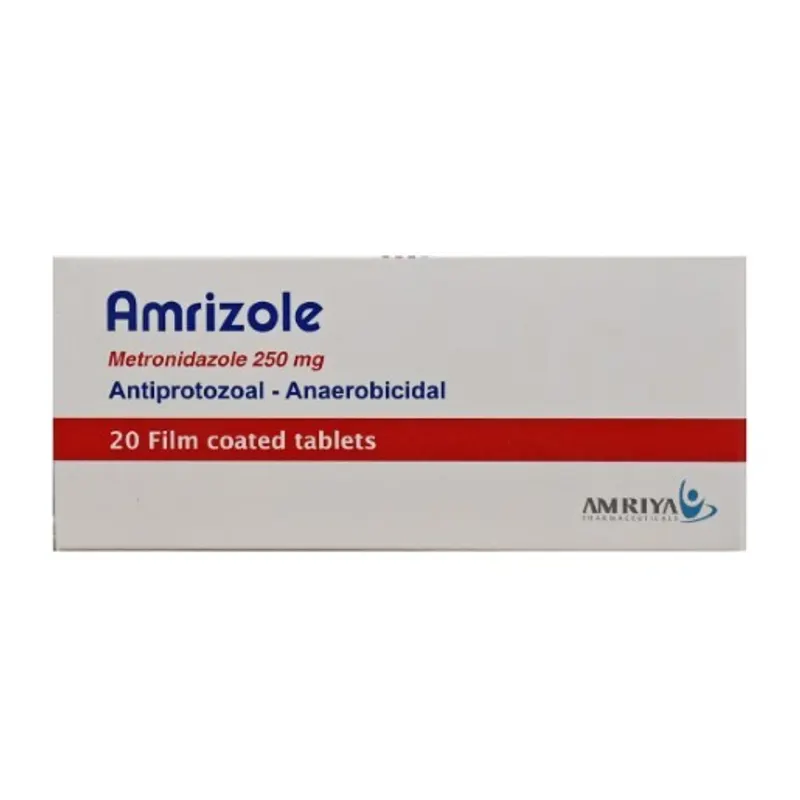
امريزول 250مجم 20 قرص
Amrizole 250mg 20 tab
سعر امريزول 250مجم 20 قرص في صيدلية عبدالخالق وجمال: 20 ج.م.
علاج الطفيليات.
ℹ️ قد يتطلب روشتة طبية
ده دواء بيتصرف تحت إشراف صيدلي، وممكن نطلب منك روشتة حسب الحالة. صيدلي مرخّص بيراجع كل طلب قبل التجهيز — ولو عندك استفسار عن الجرعة أو تعارض مع دواء تاني، كلّمنا قبل ما تطلب.
ارفع روشتتك من هنا ←النشرة الدوائية التفصيلية — Amrizole
Drug Monograph — Metronidazole
Amrizole دواء يحتوي على المادة الفعالة Metronidazole. المعلومات التالية عن المادة الفعالة للتثقيف الصحي. دواء الميترونيدازول (بالإنجليزية: Metronidazole) هو أحد المضادات الحيوية، وينتمي لمجموعة من الأدوية تُعرف باسم النيتروإيميدازول (Nitroimidazole)، ويستخدم بشكلٍ شائع لعلاج العدوى البكتيرية في المعدة، والأمعاء، وعدوى الجهاز التناسلي، وغيرها. يعمل دواء ميترونيدازول كمضادٍ للبكتيريا والطفيليات؛ فهو يهاجم الحمض النووي (DNA) في الخلية، مما يُعيق عملية إنتاج البروتينات الضرورية فيها، وهذا يمنع البكتيريا أو الطفيليات من النمو، ويُؤدي إلى موتها. يبدأ مفعول ميترونيدازول خلال ساعة أو ساعتين من تناوله، ولكن قد يستغرق تحسّن الأعراض عدة أيام، مع ذلك من الضروري أن تستمر بتناول الدواء طوال مدة العلاج التي حددها الطبيب؛ للتأكد من القضاء على البكتيريا أو الطفيليات المسببة للمرض.
يُستخدم ميترونيدازول عادةً لعلاج اللتهابات التي تسببها بعض البكتيريا أو الطفيليات، مثل: الأميبا (بالإنجليزية: Amebiasis). التهاب القولون الغشائي الكاذب المرتبط باستعمال المضادات الحيوية. بعض أنواع العدوى المنقولة جنسيًا مثل داء المشعرات مرض الحوض اللتهابي. قرحة المعدة الناتجة عن بكتيريا الملوية البوابية (بالإنجليزية: Helicobacter Pylori). المطثية العسيرة (بالإنجليزية: Clostridium Difficile)، وهي إحدى أنواع البكتيريا التي تسبب الإسهال والتهاب القولون. التهابات اللثة أو التهابات الأسنان. التهابات البطن مثل التهاب الصفاق. التهابات الجلد. التهابات الجهاز التناسلي الأنثوي، مثل التهاب المهبل البكتيري والتهاب بطانة الرحم. التهابات الدم (تسمم الدم). التهابات العظام والمفاصل. التهابات أغشية أو أنسجة الدماغ والحبل الشوكي (التهاب السحايا). كما قد يصف الطبيب هذا الدواء كعلاجٍ وقائي بعد إجراء العمليات الجراحية، مثل جراحة الأمعاء الغليظة.
Symptomatic Trichomoniasis. Metronidazole tablets are indicated for the treatment of T. vaginalis infection in females and males when the presence of the trichomonad has been confirmed by appropriate laboratory procedures (wet smears and/or cultures). Asymptomatic Trichomoniasis. Metronidazole tablets are indicated in the treatment of asymptomatic T. vaginalis infection in females when the organism is associated with endocervicitis, cervicitis, or cervical erosion. Since there is evidence that presence of the trichomonad can interfere with accurate assessment of abnormal cytological smears, additional smears should be performed after eradication of the parasite. Treatment of Asymptomatic Sexual Partners. T. vaginalis infection is a venereal disease. Therefore, asymptomatic sexual partners of treated patients should be treated simultaneously if the organism has been found to be present, in order to prevent reinfection of the partner. The decision as to whether to treat an asymptomatic male partner who has a negative culture or one for whom no culture has been attempted is an individual one. In making this decision, it should be noted that there is evidence that a woman may become reinfected if her sexual partner is not treated. Also, since there can be considerable difficulty in isolating the organism from the asymptomatic male carrier, negative smears and cultures cannot be relied upon in this regard. In any event, the sexual partner should be treated with metronidazole tablets in cases of reinfection. Amebiasis Metronidazole tablets are indicated in the treatment of acute intestinal amebiasis (amebic dysentery) and amebic liver abscess. In amebic liver abscess, Metronidazole tablet therapy does not obviate the need for aspiration or drainage of pus. Anaerobic Bacterial Infections. Metronidazole tablets are indicated in the treatment of serious infections caused by susceptible anaerobic bacteria. Indicated surgical procedures should be performed in conjunction with metronidazole tablet therapy. In a mixed aerobic and anaerobic infection, antimicrobials appropriate for the treatment of the aerobic infection should be used in addition to metronidazole tablets. INTRA-ABDOMINAL INFECTIONS, including peritonitis, intra-abdominal abscess, and liver abscess, caused by Bacteroides species including the B. fragilis group ( B. fragilis, B. distasonis, B. ovatus, B. thetaiotaomicron, B....
تختلف الجرعة المناسبة من الميترونيدازول حسب الحالة الطبية، والعمر وشدة الأعراض، لكنها تكون عادةً على النحو الآتي: جرعة الميترونيدازول للبالغين يُوضح الجدول الآتي جرعات ميترونيدازول للبالغين حسب الحالة الصحية: الحالة المرضية الجرعة عدد الجرعات مدة الاستخدام داء المشعرات كبسولة 375 ملليغرام مرتين يوميًا (كل 12 ساعة) 7 أيام قرص 250 ملليغرام 3 مرات ( كل 8 ساعات) الأميبا 500- 750 ملليغرام 3 مرات 5- 7 أيام جرثومة المعدة (إلى جانب أدوية ومضادات حيوية أخرى) 500 ملليغرام 3 مرات 14 يومًا التهاب المهبل البكتيري 500 ملليغرام مرتين 7 أيام خراج الكبد الأميبي 500- 750 ملليغرام 3 مرات 5- 10 أيام داء الحوض اللتهابي 500 ملليغرام مرتين 14 يومًا جرعة الميترونيدازول للأطفال تعتمد جرعة الميترونيدازول للأطفال على عمر الطفل ووزنه وحالته الصحية، ويُوضح الجدول الآتية الجرعات المناسبة لعدد من الحالات الصحية: الحالة المرضية وزن الطفل الجرعة عدد الجرعات الجرعة القصوى مدة الاستخدام داء الأميبات - 35- 50 ملليغرام لكل كيلوغرام 3 مرات 750 ملليغرام للجرعة الواحدة و2250 ملليغرام في اليوم الواحد 7- 10 أيام عدوى المطثية العسيرة - 7.5 ملليغرام لكل كيلوغرام 3 أو 4 مرات 500 ملليغرام للجرعة الواحدة 10 أيام جرثومة المعدة (إلى جانب أدوية ومضادات حيوية أخرى) 15- 25 كيلوغرام 250 ملليغرام مرتين - 14 يومًا 26- 34 كيلوغرام 500 ملليغرام صباحًا و250 ملليغرام مساءً - 35 كيلوغرام فما فوق 500 ملليغرام مرتين
Trichomoniasis: In the Female: One-day treatment − two grams of metronidazole tablets, given either as a single dose or in two divided doses of one gram each, given in the same day. Seven-day course of treatment − 250 mg three times daily for seven consecutive days. There is some indication from controlled comparative studies that cure rates as determined by vaginal smears and signs and symptoms, may be higher after a seven-day course of treatment than after a one-day treatment regimen. The dosage regimen should be individualized. Single-dose treatment can assure compliance, especially if administered under supervision, in those patients who cannot be relied on to continue the seven-day regimen. A seven-day course of treatment may minimize reinfection by protecting the patient long enough for the sexual contacts to obtain appropriate treatment. Further, some patients may tolerate one treatment regimen better than the other. Pregnant patients should not be treated during the first trimester (see ). In pregnant patients for whom alternative treatment has been inadequate, the one-day course of therapy should not be used, as it results in higher serum levels which can reach the fetal circulation (see PRECAUTIONS, Pregnancy ). When repeat courses of the drug are required, it is recommended that an interval of four to six weeks elapse between courses and that the presence of the trichomonad be reconfirmed by appropriate laboratory measures. Total and differential leukocyte counts should be made before and after re-treatment. In the Male: Treatment should be individualized as it is for the female. Amebiasis Adults: For acute intestinal amebiasis (acute amebic dysentery): 750 mg orally three times daily for 5 to 10 days. For amebic liver abscess: 500 mg or 750 mg orally three times daily for 5 to 10 days. Pediatric patients : 35 to 50 mg/kg/24 hours, divided into three doses, orally for 10 days. Anaerobic Bacterial Infections In the treatment of most serious anaerobic infections, intravenous metronidazole is usually administered initially. The usual adult oral dosage is 7.5 mg/kg every six hours (approx. 500 mg for a 70-kg adult). A maximum of 4 g should not be exceeded during a 24-hour period. The usual duration of therapy is 7 to 10 days; however, infections of the bone and joint, lower respiratory tract, and endocardium may require longer treatment....
لميترونيدازول (Metronidazole) يُمكن أن يُسبب الميترونيدازول الآثار الجانبية الآتية: الآثار الجانبية الشائعة لميترونيدازول من الشائع أن يُسبب الميترونيدازول الآثار الجانبية الآتية: الغثيان والقيء. الصداع. فقدان الشهية. الإسهال. ألم أو تقلصات في المعدة. الإمساك. الإحساس بطعم معدني في الفم. آثار جانبية تستدعي مراجعة الطبيب في بعض الحالات النادرة، يُمكن أن يُسبب هذا الدواء آثارًا جانبية خطيرة، لذا يجب مراجعة الطبيب فورًا عند ظهور الأعراض الآتية: الحساسية المفرطة، مثل الطفح الجلدي، والخفقان، وتورّم الوجه أو الحلق. التشنجات. الصداع الشديد. التشوش الذهني. الترنح وفقدان السيطرة على حركات الجسم.
The following reactions have been reported during treatment with metronidazole: Central Nervous System: The most serious reported in patients treated with metronidazole have been convulsive seizures, encephalopathy, aseptic meningitis, optic and peripheral neuropathy, the latter characterized mainly by numbness or paresthesia of an extremity. Since persistent peripheral neuropathy has been reported in some patients receiving prolonged administration of metronidazole, patients should be specifically warned about these reactions and should be told to stop the drug and report immediately to their physicians if any neurologic symptoms occur. In addition, patients have reported headache, syncope, dizziness, vertigo, incoordination, ataxia, tinnitus, hearing impairment, hearing loss, confusion, dysarthria, irritability, depression, weakness, and insomnia (see WARNINGS ). Gastrointestinal: The most common reported have been referable to the gastrointestinal tract, particularly nausea, sometimes accompanied by headache, anorexia, and occasionally vomiting; diarrhea; epigastric distress; and abdominal cramping and constipation. Mouth : A sharp, unpleasant metallic taste is not unusual. Furry tongue, glossitis, and stomatitis have occurred; these may be associated with a sudden overgrowth of Candida which may occur during therapy. Dermatologic : Dermatitis bullous, fixed drug eruption, erythematous rash and pruritus. Hematopoietic : Reversible neutropenia (leukopenia); rarely, reversible thrombocytopenia. Cardiovascular : QT prolongation has been reported, particularly when metronidazole was administered with drugs with the potential for prolonging the QT interval. Flattening of the T-wave may be seen in electrocardiographic tracings. Hypersensitivity: Toxic epidermal necrolysis (TEN), Stevens-Johnson Syndrome (SJS), drug reaction with eosinophilia and systemic symptoms (DRESS), acute generalized exanthematous pustulosis (AGEP) (see WARNINGS ), urticaria, erythematous rash, flushing, nasal congestion, dryness of the mouth (or vagina or vulva), and fever. Renal : Dysuria, cystitis, polyuria, incontinence, and a sense of pelvic pressure. Instances of darkened urine have been reported by approximately one patient in 100,000. Although the pigment which is probably responsible for this phenomenon has not been positively identified, it is almost certainly a metabolite of metronidazole and seems to have no clinical significance....
يمنع استخدام ميترونيدازول في الحالات الآتية: فرط الحساسية تجاه أي مكون من مكونات هذا الدواء. استخدام ثنائي السلفيرام خلال الأسبوعين السابقين للعلاج بالميترونيدازول. الإصابة بمشكلات الكبد أو إجراء غسيل الكلى. متلازمة كوكاين (بالإنجليزية: Cockayne syndrome)، وهي حالة وراثية تُسبب حساسية تجاه الضوء، وتأخر النمو وصغر حجم الرأس.
Hypersensitivity Metronidazole tablet are contraindicated in patients with a prior history of hypersensitivity to metronidazole or other nitroimidazole derivatives. In patients with trichomoniasis, metronidazole tablet are contraindicated during the first trimester of pregnancy (see PRECAUTIONS ). Psychotic Reaction with Disulfiram Use of oral metronidazole is associated with psychotic reactions in alcoholic patients who were using disulfiram concurrently. Do not administer metronidazole to patients who have taken disulfiram within the last two weeks (see PRECAUTIONS, ). Interaction with Alcohol Use of oral metronidazole is associated with a disulfiram-like reaction to alcohol, including abdominal cramps, nausea, vomiting, headaches, and flushing. Discontinue consumption of alcohol or products containing propylene glycol during and for at least three days after therapy with metronidazole (see PRECAUTIONS, ). Cockayne Syndrome Metronidazole Tablets are contraindicated in patients with Cockayne syndrome. Severe irreversible hepatotoxicity/acute liver failure with fatal outcomes have been reported after initiation of metronidazole in patients with Cockayne syndrome (see ).
يستخدم الميترونيدازول بحذر تحت إشراف الطبيب في الحالات الآتية: الحالات المتقدمة من أمراض الكبد. الاعتللات العصبية. أمراض الكلى. عدوى الخميرة في الفم أو المهبل. اللتهابات الفطرية. خلل تنسج الدم. مشاكل في الدم أو نخاع العظم. الإصابة بنوباتٍ تشنجيّة. أمراض الدماغ، مثل التهاب السحايا واعتلال الدماغ. ميترونيدازول للحامل يُصنّف هذا الدواء ضمن الفئة B، لذا يُمكن استخدامه عند الضرورة أثناء الحمل، مع ذلك قد يُقرر الطبيب تجربة مضادات حيوية أخرى أكثر أمانًا. ميترونيدازول للمرضع ميترونيدازول من المضادات الحيوية الآمنة للرضع، فمع أنّه قد ينتقل عبر حليب الأم للرضيع، إلا أنّ هذا يحدث بكمياتٍ قليلة جدًا، مع ذلك يجب استشارة الطبيب فورًا إذا ظهرت أي أعراض مقلقة على الرضيع. ميترونيدازول للأطفال يعتبر ميترونيدازول آمن للأطفال ولكن يجب استشارة الطبيب حول الجرعات المناسبة.
أخبر طبيبك أو الصيدلي عن الأدوية الموصوفة وغير الموصوفة، والفيتامينات، والمكملات الغذائية، والأعشاب التي تتناولها أو تخطط لتناولها، إذ يُمنع استخدام هذا الدواء لمدة أسبوعين على الأقل بعد دواء ديسفلفرام، لأن استخدام هذين الدوائين معًا قد يسبب أعراضًا خطيرة، مثل الذهان. كما قد يتداخل الميترونيدازول مع بعض الأدوية، مما قد يؤثر على فعاليته أو يزيد من خطر آثاره الجانبية، ومن هذه الأدوية: المضادات الحيوية الأخرى، مثل سيبروفلوكساسين (Ciprofloxacin) أو أزيثروميسين (Azithromycin). بعض مضادات الذهان، مثل زيبراسيدون (Ziprasidone) أو هالوبيريدول (Haloperidol). مثبتات المزاج، خاصةً الليثيوم. أدوية علاج الصرع، مثل كاربامازيبين (Carbamazepine). مميعات الدم، مثل الوارفارين (Warfarin). سيتالوبرام (Citalopram)، وهو أحد مضادات الاكتئاب. دومبيريدون (Domperidone)، وهو مضاد للغثيان. فاموتيدين (Famotidine)، وهو مضاد للحموضة. حبوب منع الحمل.
Disulfiram Psychotic reactions have been reported in alcoholic patients who are using metronidazole and disulfiram concurrently. Metronidazole should not be given to patients who have taken disulfiram within the last two weeks (see ). Alcoholic Beverages Abdominal cramps, nausea, vomiting, headaches, and flushing may occur if alcoholic beverages or products containing propylene glycol are consumed during or following metronidazole therapy (see ). Warfarin and other Oral Anticoagulants Metronidazole has been reported to potentiate the anticoagulant effect of warfarin and other oral coumarin anticoagulants, resulting in a prolongation of prothrombin time. When metronidazole is prescribed for patients on this type of anticoagulant therapy, prothrombin time and INR should be carefully monitored. Lithium In patients stabilized on relatively high doses of lithium, short-term metronidazole therapy has been associated with elevation of serum lithium and, in a few cases, signs of lithium toxicity. Serum lithium and serum creatinine levels should be obtained several days after beginning metronidazole to detect any increase that may precede clinical symptoms of lithium intoxication. Busulfan Metronidazole has been reported to increase plasma concentrations of busulfan, which can result in an increased risk for serious busulfan toxicity. Metronidazole should not be administered concomitantly with busulfan unless the benefit outweighs the risk. If no therapeutic alternatives to metronidazole are available, and concomitant administration with busulfan is medically needed, frequent monitoring of busulfan plasma concentration should be performed and the busulfan dose should be adjusted accordingly. Drugs that Inhibit CYP450 Enzymes The simultaneous administration of drugs that decrease microsomal liver enzyme activity, such as cimetidine, may prolong the half-life and decrease plasma clearance of metronidazole. Drugs that Induce CYP450 Enzymes The simultaneous administration of drugs that induce microsomal liver enzymes, such as phenytoin or phenobarbital, may accelerate the elimination of metronidazole, resulting in reduced plasma levels; impaired clearance of phenytoin has also been reported. Drugs that Prolong the QT interval QT prolongation has been reported, particularly when metronidazole was administered with drugs with the potential for prolonging the QT interval....
Amrizole متوفر في شكل أقراص بتركيز 250MG. العبوة تحتوي على 20 قرص.
يجب حفظ المترونيدازول في عبوات مغلقة تحت درجة حرارة 25 درجة مئوية، بعيدًا عن الضوء والحرارة، وبعيدًا عن متناول الأطفال.
هذه المعلومات الدوائية للتثقيف الصحي العام فقط، ولا تُغني عن استشارة الصيدلي أو الطبيب المختص. لا تبدأ أو توقف أو تغيّر جرعة أي دواء بدون إشراف طبي.
بدائل امريزول 250مجم 20 قرص بنفس المادة الفعالة
- امريزول 500مجم 20 قرص25 ج.م
- فلاجيل 125مجم/5مل 100 مل معلق26 ج.م
- امريزول 125مجم/5مل معلق 120 مل31 ج.م
- فلاجيل 500مجم 20 قرص34 ج.م
- امريزول 500مجم محلول وريدي 100 مل47 ج.م
استشر الصيدلي أو الطبيب قبل التبديل بين الأدوية.
كل البدائل ومقارنة الأسعار ←آراء العملاء
00 · Empty
لا توجد تقييمات معتمدة لهذا المنتج بعد. كن أول من يقيّم!