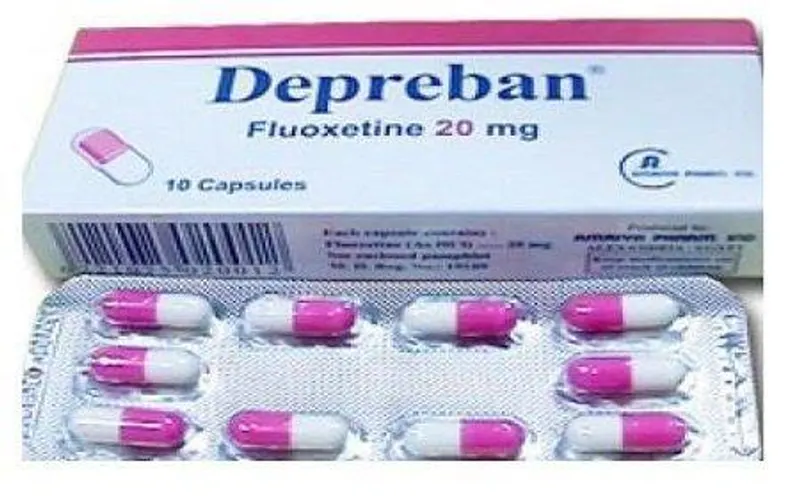
ديبريبان 20 جم 10 كبسولات
depreban 20mg 10 caps
سعر ديبريبان 20 جم 10 كبسولات في صيدلية عبدالخالق وجمال: 26 ج.م.
about fluoxetine selective serotonin reuptake inhibitor antidepressant. mechanism of action of fluoxetine fluoxetine preferentially inhibits the re-uptake of serotonin (5 ht) in the cns nerve terminals .this will result in an increased concentration of ne
ℹ️ قد يتطلب روشتة طبية
ده دواء بيتصرف تحت إشراف صيدلي، وممكن نطلب منك روشتة حسب الحالة. صيدلي مرخّص بيراجع كل طلب قبل التجهيز — ولو عندك استفسار عن الجرعة أو تعارض مع دواء تاني، كلّمنا قبل ما تطلب.
ارفع روشتتك من هنا ←النشرة الدوائية التفصيلية — Depreban
Drug Monograph — fluoxetine
Depreban دواء يحتوي على المادة الفعالة fluoxetine. المعلومات التالية عن المادة الفعالة للتثقيف الصحي. الفلوكسيتين مضاد اكتئاب من مجموعة (SSRI)؛ يرفع السيروتونين في المخ.
12.1 Mechanism of Action Although the exact mechanism of fluoxetine is unknown, it is presumed to be linked to its inhibition of CNS neuronal uptake of serotonin.
هذه المعلومات الدوائية للتثقيف الصحي العام فقط، ولا تُغني عن استشارة الصيدلي أو الطبيب المختص. لا تبدأ أو توقف أو تغيّر جرعة أي دواء بدون إشراف طبي.
آراء العملاء
00 · Empty
لا توجد تقييمات معتمدة لهذا المنتج بعد. كن أول من يقيّم!