أدوية العين والأذن
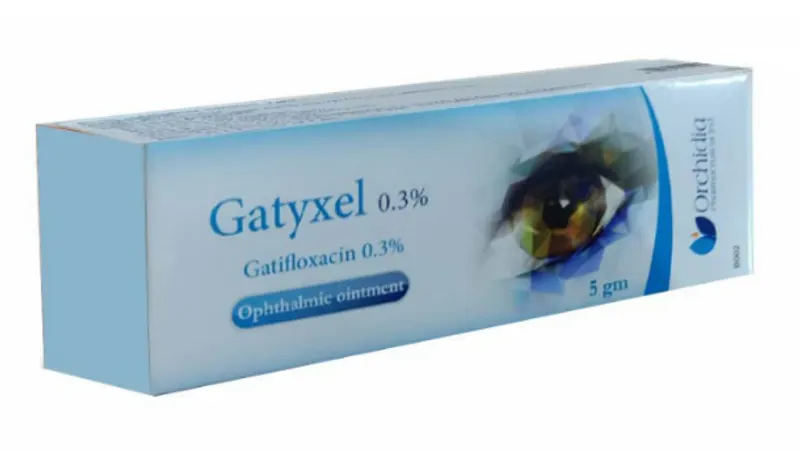
جاتيكسيل مرهم عين 5 جم
gatyxel eye ointment 5 gm
25.5ج.م
سعر جاتيكسيل مرهم عين 5 جم في صيدلية عبدالخالق وجمال: 25.5 ج.م.
Scientific nameالاسم العلمي
gatifloxacinCompositionالتركيبة
gatifloxacinFormالشكل الدوائي
مرهمBarcodeالكود
6223005443274Used for · يُستخدم في
قطرات ومستحضرات موضعية للعناية بالعين والأذن.
النشرة الدوائية التفصيلية — Gatyxel
Drug Monograph — gatifloxacin
Gatyxel دواء يحتوي على المادة الفعالة gatifloxacin. المعلومات التالية عن المادة الفعالة للتثقيف الصحي. الجاتيفلوكساسين مضاد حيوي من الفلوروكينولون يُستخدم كقطرة عين.
English Reference
12.1 Mechanism of Action Gatifloxacin is a quinolone antimicrobial [ see Microbiology ( 12.4 ) ] .
هذه المعلومات الدوائية للتثقيف الصحي العام فقط، ولا تُغني عن استشارة الصيدلي أو الطبيب المختص. لا تبدأ أو توقف أو تغيّر جرعة أي دواء بدون إشراف طبي.
بدائل جاتيكسيل مرهم عين 5 جم بنفس المادة الفعالة
- جاتيستار 0.5% قطرة عين 5 مل45 ج.م
- تايمر قطره عين66 ج.م
استشر الصيدلي أو الطبيب قبل التبديل بين الأدوية.
كل البدائل ومقارنة الأسعار ←Reviews · التقييمات
آراء العملاء
00 · Empty
لا توجد تقييمات معتمدة لهذا المنتج بعد. كن أول من يقيّم!