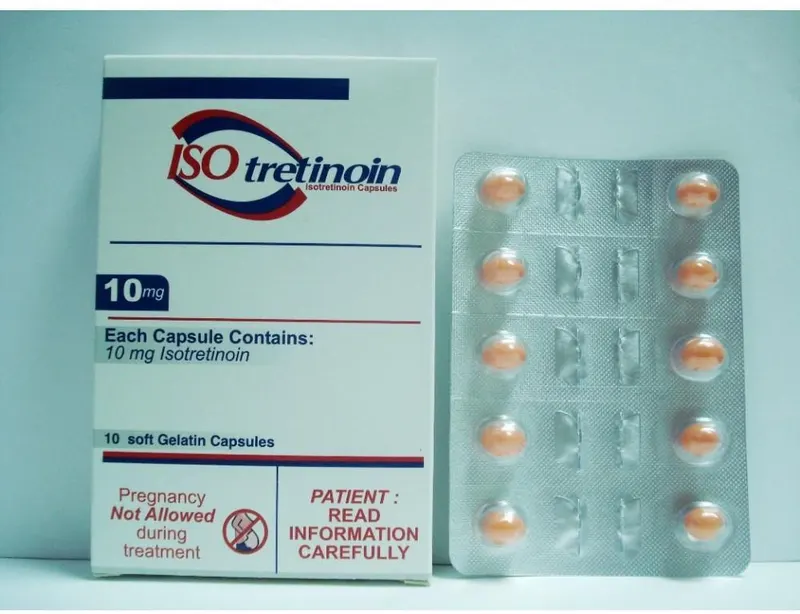
ايزوتريتينوين 10مجم 10 كبسولات
isotretinoin 10mg 10 soft gelatin caps
سعر ايزوتريتينوين 10مجم 10 كبسولات في صيدلية عبدالخالق وجمال: 192 ج.م.
about isotretinoin vitamin a isomer retinoic acid derivative anti-acne. mechanism of action of isotretinoin isotretinoin is a 13-cis-retinoic acid and is used in the treatment of severe nodulocystic acne. isotretinoin decreases sebocyte number and reduces
ℹ️ قد يتطلب روشتة طبية
ده دواء بيتصرف تحت إشراف صيدلي، وممكن نطلب منك روشتة حسب الحالة. صيدلي مرخّص بيراجع كل طلب قبل التجهيز — ولو عندك استفسار عن الجرعة أو تعارض مع دواء تاني، كلّمنا قبل ما تطلب.
ارفع روشتتك من هنا ←النشرة الدوائية التفصيلية — Isotretinoin
Drug Monograph — isotretinoin
Isotretinoin دواء يحتوي على المادة الفعالة isotretinoin. المعلومات التالية عن المادة الفعالة للتثقيف الصحي. الآيزوتريتينوين مشتق من فيتامين أ؛ يقلل إفراز الدهون وانسداد المسام بشدة لعلاج حب الشباب.
هذه المعلومات الدوائية للتثقيف الصحي العام فقط، ولا تُغني عن استشارة الصيدلي أو الطبيب المختص. لا تبدأ أو توقف أو تغيّر جرعة أي دواء بدون إشراف طبي.
بدائل ايزوتريتينوين 10مجم 10 كبسولات بنفس المادة الفعالة
- نت لوك 20مجم 20 كبسولة274 ج.م
- ايزوتريتينوين 20مجم 30 كبسولة372 ج.م
- NETLOOK 40MG 20 SOFT GELATIN CAPSULE394 ج.م
استشر الصيدلي أو الطبيب قبل التبديل بين الأدوية.
كل البدائل ومقارنة الأسعار ←آراء العملاء
00 · Empty
لا توجد تقييمات معتمدة لهذا المنتج بعد. كن أول من يقيّم!
منتجات مشابهة قد تهمك
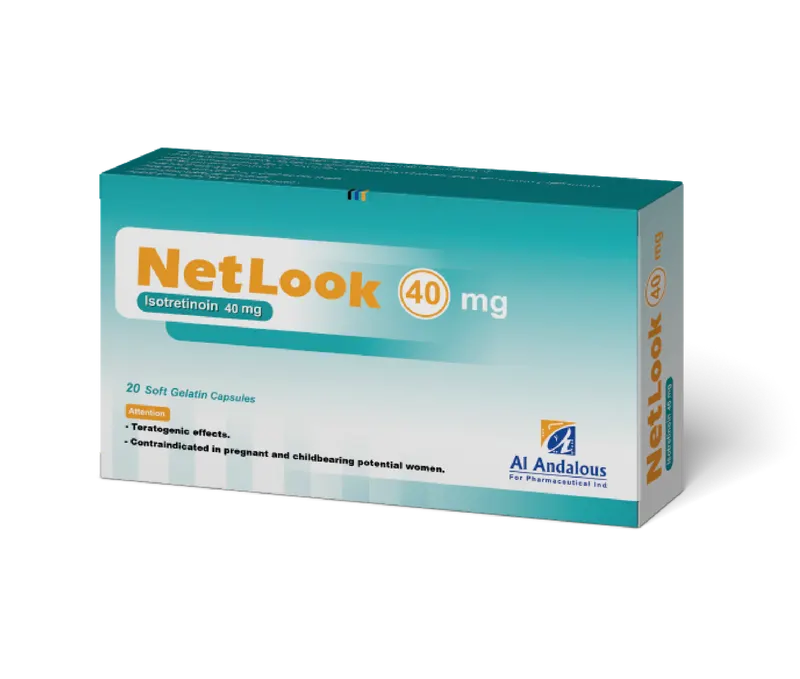
NETLOOK 40MG 20 SOFT GELATIN CAPSULE
NETLOOK 40MG 20 SOFT GELATIN CAPSULE
ISOTRETINOIN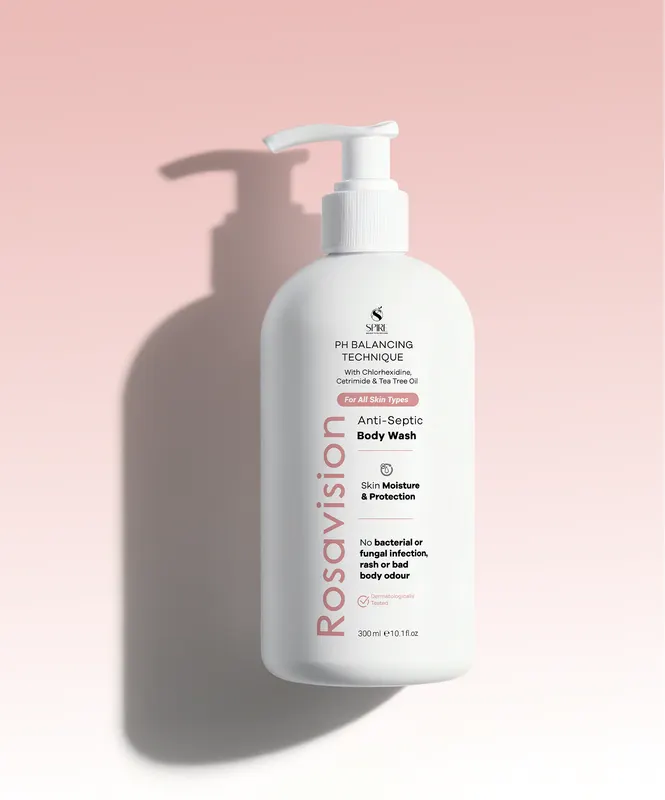
ROSAVISION BODY WASH 300 ML
ROSAVISION BODY WASH 300 ML
AHA + BHA (SALICYLIC ACID) + CHLORHEXIDINE + CETRIMIDE + WHEAT PROTEIN + GLYCERYL COCOATE + POLYQUATEMIUM + GREEN TEA EXT. + VITAMIN E + PANTHENOL