أدوية العين والأذن
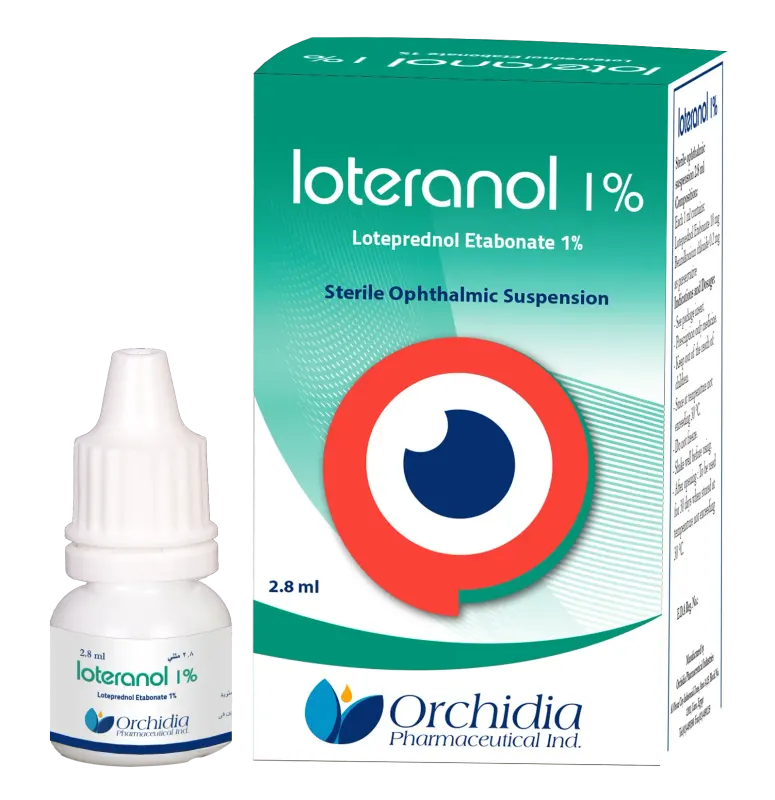
لوتيرانول 1% محلول عين معقم 2.8 مل
loteranol 1% sterile ophthalmic solution 2.8 ml
49ج.م
سعر لوتيرانول 1% محلول عين معقم 2.8 مل في صيدلية عبدالخالق وجمال: 49 ج.م.
Scientific nameالاسم العلمي
loteprednol etabonateCompositionالتركيبة
loteprednol etabonate · 1%Formالشكل الدوائي
محلولBarcodeالكود
2000010003785Used for · يُستخدم في
قطرات ومستحضرات موضعية للعناية بالعين والأذن.
النشرة الدوائية التفصيلية — Loteranol
Drug Monograph — loteprednol etabonate
Loteranol دواء يحتوي على المادة الفعالة loteprednol etabonate. المعلومات التالية عن المادة الفعالة للتثقيف الصحي. اللوتيبريدنول كورتيزون موضعي للعين يقلل التهاب العين بأقل تأثير على ضغطها.
هذه المعلومات الدوائية للتثقيف الصحي العام فقط، ولا تُغني عن استشارة الصيدلي أو الطبيب المختص. لا تبدأ أو توقف أو تغيّر جرعة أي دواء بدون إشراف طبي.
بدائل لوتيرانول 1% محلول عين معقم 2.8 مل بنفس المادة الفعالة
استشر الصيدلي أو الطبيب قبل التبديل بين الأدوية.
كل البدائل ومقارنة الأسعار ←Reviews · التقييمات
آراء العملاء
00 · Empty
لا توجد تقييمات معتمدة لهذا المنتج بعد. كن أول من يقيّم!