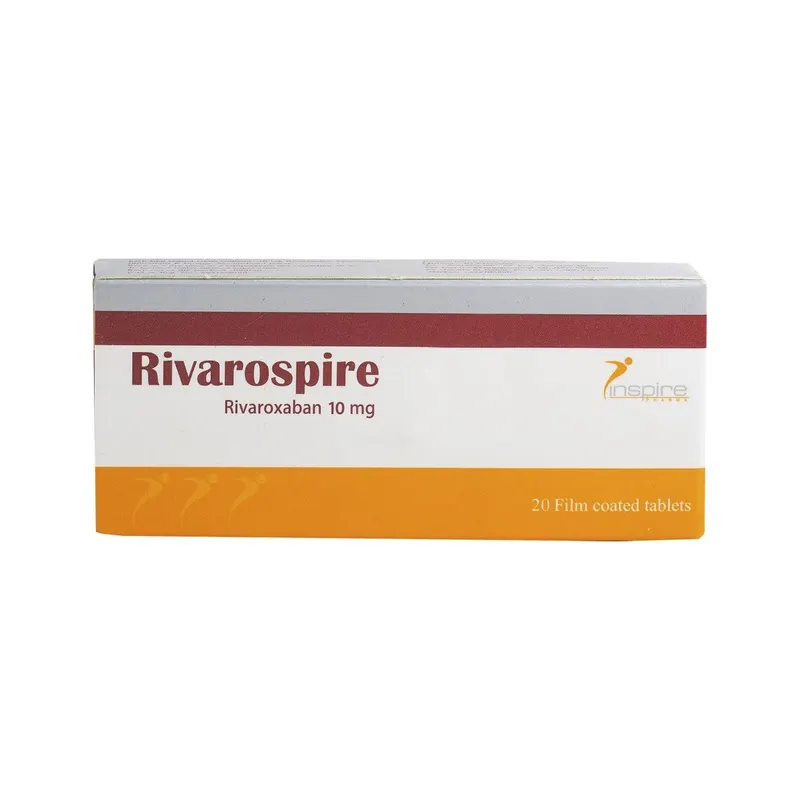
ريفاروسبير 10مجم 20 قرص
Rivarospire 10 mg 20 f.c. tab
سعر ريفاروسبير 10مجم 20 قرص في صيدلية عبدالخالق وجمال: 254 ج.م.
مضاد للتجلط
ℹ️ قد يتطلب روشتة طبية
ده دواء بيتصرف تحت إشراف صيدلي، وممكن نطلب منك روشتة حسب الحالة. صيدلي مرخّص بيراجع كل طلب قبل التجهيز — ولو عندك استفسار عن الجرعة أو تعارض مع دواء تاني، كلّمنا قبل ما تطلب.
ارفع روشتتك من هنا ←النشرة الدوائية التفصيلية — Rivarospire
Drug Monograph — Rivaroxaban
Rivarospire دواء يحتوي على المادة الفعالة Rivaroxaban. المعلومات التالية عن المادة الفعالة للتثقيف الصحي. الريفاروكسابان مضاد تجلّط حديث (مثبط للعامل Xa)؛ يقلل تكوّن الجلطات.
12.1 Mechanism of Action XARELTO is a selective inhibitor of FXa. It does not require a cofactor (such as Anti-thrombin III) for activity. Rivaroxaban inhibits free FXa and prothrombinase activity. Rivaroxaban has no direct effect on platelet aggregation, but indirectly inhibits platelet aggregation induced by thrombin. By inhibiting FXa, rivaroxaban decreases thrombin generation.
هذه المعلومات الدوائية للتثقيف الصحي العام فقط، ولا تُغني عن استشارة الصيدلي أو الطبيب المختص. لا تبدأ أو توقف أو تغيّر جرعة أي دواء بدون إشراف طبي.
بدائل ريفاروسبير 10مجم 20 قرص بنفس المادة الفعالة
- فاكساتو 10 مجم 20 قرص340 ج.م
- ريفاروسبير 20مجم 28 قرص364 ج.م
استشر الصيدلي أو الطبيب قبل التبديل بين الأدوية.
كل البدائل ومقارنة الأسعار ←آراء العملاء
00 · Empty
لا توجد تقييمات معتمدة لهذا المنتج بعد. كن أول من يقيّم!